


Halloween remains the reigning champion of holidays for camaraderie-building. In my opinion, it’s actually the healthiest holiday for kids. That might sound crazy given the candy haul, but I’m talking about mental health and social development.
Let’s level set. I’m not referring to trick-or-treating in malls, parking lots, or under the hovering eye of helicopter parents. I mean kids rallying their friends and neighborhood chums and hitting the bricks on the scariest night of the year. The kind of Halloween where kids move as a pack and the streetlights flicker like part of the set.
Maybe I can explain best by walking you through a night from my childhood.
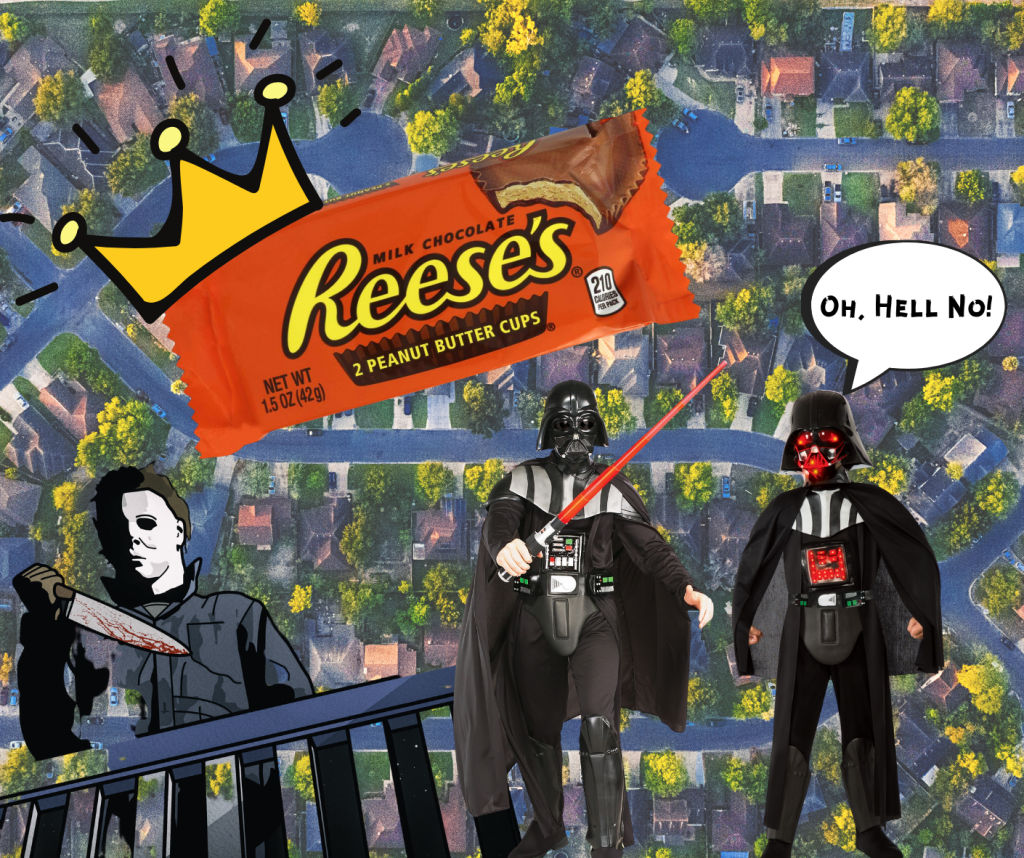
The buildup to Halloween was electric. My friends and I would talk costumes weeks in advance, making sure there were no duplicates in the group. Two Darth Vaders? Amateur hour. Like any real mission, that kind of detail mattered. And we didn’t rely on parents to coordinate—it was on us to survey the neighborhood, build the team, and plan the route.
Next came the intel phase. No internet back then, just word-of-mouth rumors—razor blades in apples, serial killers hiding behind bushes. It all added to the mystique and risk. We felt like we were stepping into a mission with real stakes.
And what was “The Mission”? Simple: score as much candy as possible, avoid older kids who might steal your haul, and evade Michael Myers, or whoever haunted your imagination that year.
It was one of the few nights a year we were truly off the leash—free to roam after dark with no adult in sight. The thrill was unmatched. Year after year, those memories stuck. And looking back, it’s clear why.
Group Play
Group play is critical to a kid’s development. It’s one of the major gaps we’re seeing today. Between screens, social media, and well-meaning but overbearing adults, a lot of kids don’t get the chance to lead their own adventures.
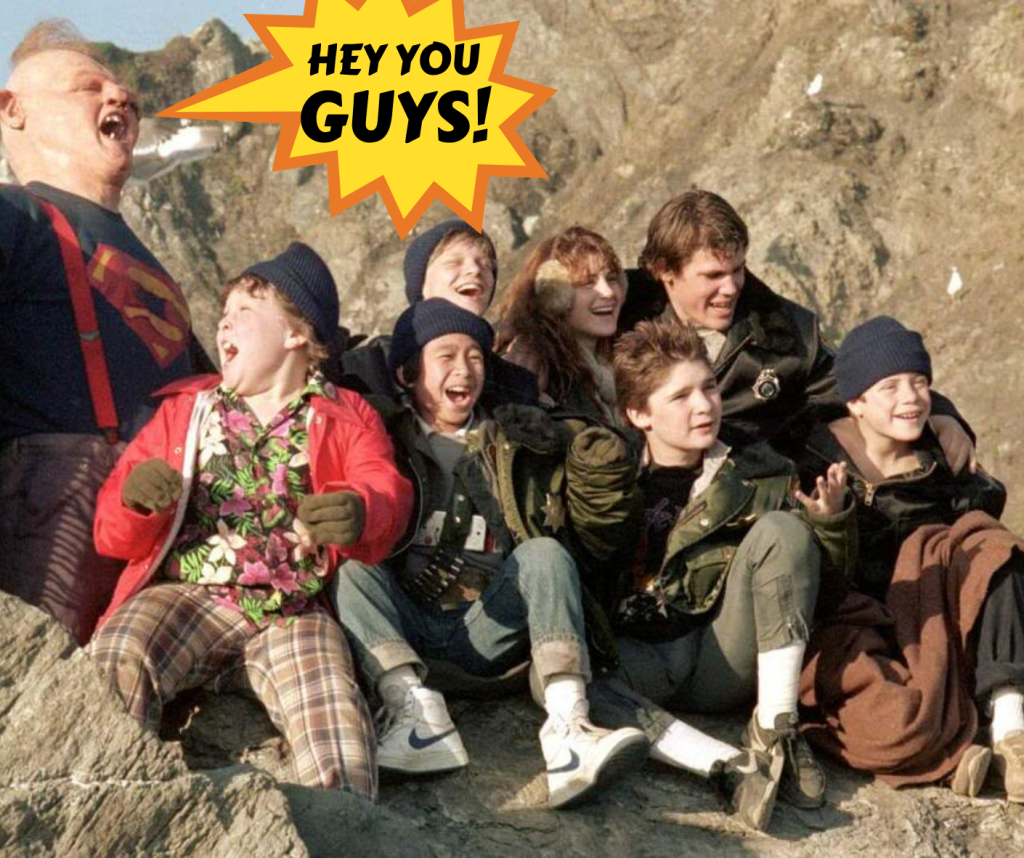
But Halloween? Done right, it’s pure group play. Kids solve their own problems. They negotiate, organize, take risks. Add a little dose of fear—fog machines, haunted houses, an over-the-top neighbor with a chainsaw—and boom: camaraderie. Just like in all those great ’80s movies like The Goonies, where a bunch of kids face adversity and come out tighter than ever. That’s not just nostalgia—it’s bonding in its purest form.
Doses of Danger in a Controlled Environment
Kids grow resilient by brushing up against fear and coming out okay. Halloween fuels their imagination with just enough threat to make it real. And that adrenaline rush—whether sparked by a creepy costume or a neighbor jumping out from a bush—lays down mental armor. It’s valuable.
Parents think shielding kids from these rites of passage is protective. It’s not. It’s robbing them of the raw material that shapes courage, problem-solving, and confidence.
Halloween was the only holiday where we ran in packs, under the cover of night, completing a mission and navigating perceived danger. The result? Camaraderie, adrenaline, and stories we’d tell for years. Even today, some of those old Halloween memories feel like war stories between me and my childhood friends. And honestly, they’re not far off.
When a group faces fear together—even pretend fear—it builds cohesion. It builds grit.
So loosen the reins a little. Let them team up with their closest friends and roam a bit. Halloween gives them the rare chance to lead a mission—and return home with not just a sack of candy, but something they’ll carry longer: a sense of adventure and a tighter bond with their crew.
